Blackheads and Whiteheads Reducing Tretinoin 0.1% w/w Cream
Description
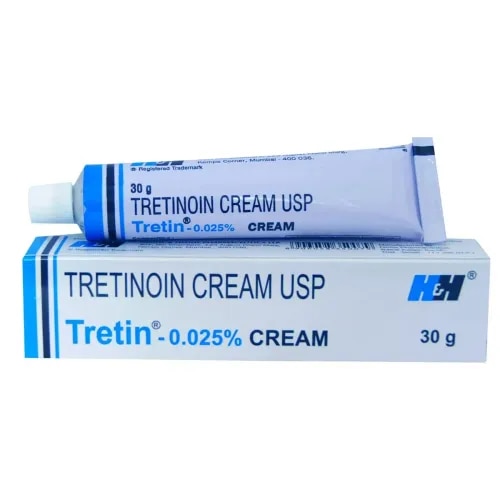
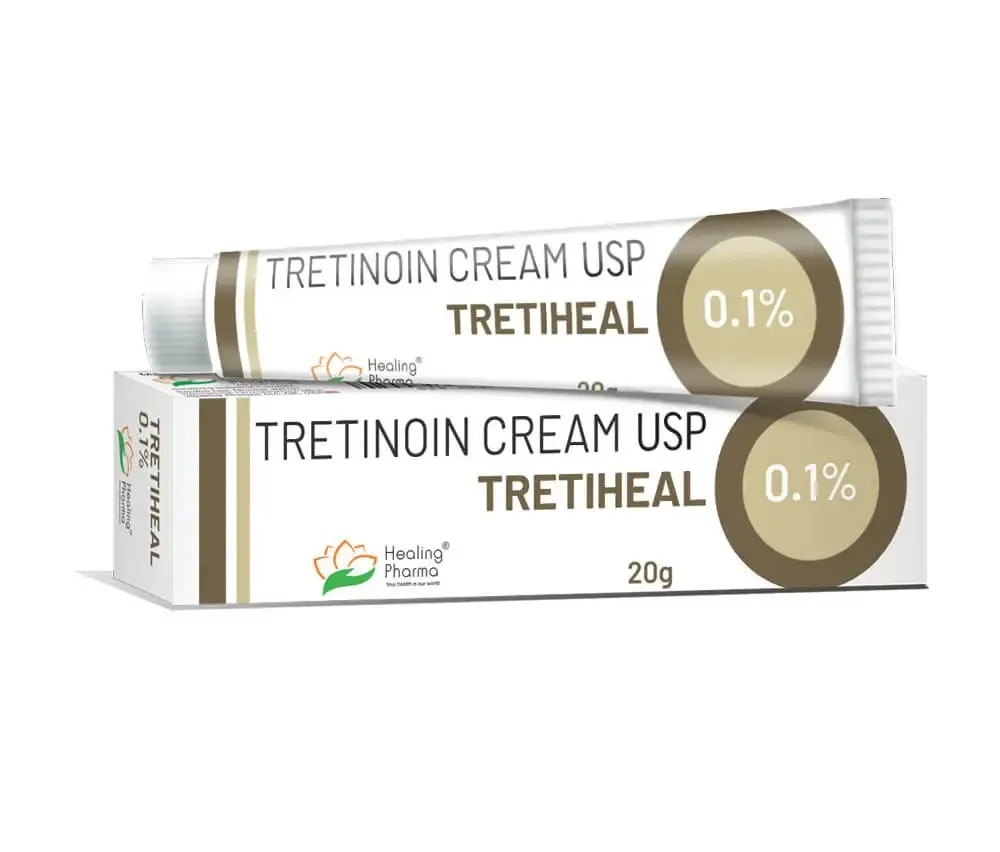
0.1% Cream is a prescription-strength topical retinoid medicine containing Tretinoin 0.1% w/w. It is used in the treatment of acne vulgaris, a skin condition that develops when hair follicles become blocked with dead skin cells and excess oil.
The 0.1% formulation contains a higher concentration of tretinoin than the 0.025% and 0.05% variants. Dermatologists may consider this strength for patients who require a different treatment concentration and whose skin can tolerate its effects. A higher strength does not necessarily produce better results for everyone.
Tretiheal works by modifying the way skin cells renew and shed, helping reduce clogged pores and the development of new acne lesions. The product is supplied in a 20g tube under the Healing Pharma brand.
Uses
Acne Vulgaris Management
Tretiheal 0.1% Cream is primarily prescribed for acne vulgaris, especially when comedones are an important part of the condition.
Blackheads and Whiteheads
By reducing the buildup of dead skin cells inside follicles, tretinoin helps manage both open and closed comedones.
Prevention of New Breakouts
Consistent treatment can reduce the formation of early acne lesions and help limit recurring clogged pores.
Dermatologist-Supervised Acne Treatment
The 0.1% strength may be selected as part of an individualised acne treatment plan based on previous treatment response and skin tolerance.
Other Specialist-Directed Uses
Tretinoin is sometimes used in dermatology for concerns such as photoageing and certain pigmentation disorders. However, these should not be presented as approved indications for Tretiheal 0.1% without confirmation from the Indian-approved product information.
Pharmacological Class: Retinoid
Therapeutic Category: Anti-Acne / Dermatology
Primary Use: Acne Vulgaris
Mechanism of Action
The therapeutic activity of Tretiheal 0.1% Cream is associated with its effect on the growth and differentiation of skin cells.
Tretinoin interacts with nuclear retinoic acid receptors, influencing the expression of genes involved in skin cell development. In acne-prone skin, this helps normalise the shedding of cells lining the hair follicles.
Its effects include:
Follicular Keratinisation: Reduces abnormal accumulation of skin cells inside follicles, which contributes to blocked pores.
Comedolytic Activity: Helps loosen and reduce existing comedones, including blackheads and whiteheads.
Prevention of Microcomedones: Limits the development of microscopic follicular blockages that can progress into visible acne lesions.
Skin Cell Renewal: Encourages a more regulated epidermal renewal process, supporting gradual improvement in acne-affected skin.
Side Effects
Because Tretiheal contains a relatively high concentration of tretinoin, local irritation can be more pronounced than with lower-strength formulations.
Common side effects:
- Dryness and roughness of the skin
- Peeling or visible flaking
- Redness and sensitivity
- Burning or stinging after application
- Temporary acne worsening
- Skin tightness or discomfort
- Increased sensitivity to sunlight
More significant reactions may include:
- Severe inflammation or swelling
- Blistering and crust formation
- Persistent painful irritation
- Changes in skin pigmentation
- Allergic contact reactions
Safety and Precautions
- Use Tretiheal 0.1% Cream only under medical supervision.
- Avoid the eyes, lips, nostrils, and other mucous membranes.
- Do not apply to cuts, sunburned skin, or severely irritated areas.
- Avoid using excessive amounts or applying more frequently than prescribed.
- Protect treated skin from sunlight using broad-spectrum sunscreen, protective clothing, and shade.
- Avoid harsh scrubs, strong exfoliating acids, and irritating skincare products unless approved by the prescribing doctor.
- Do not use topical tretinoin during pregnancy or while planning pregnancy.
- Consult a healthcare professional before use while breastfeeding etc.
Directions for Use
1. Gently cleanse the acne-affected skin using a mild cleanser.
2. Pat dry and wait until the skin is completely dry.
3. Apply a small amount of Tretiheal 0.1% Cream, generally a pea-sized quantity for the entire face.
4. Spread a thin layer over the prescribed treatment area.
5. Use in the evening, according to the dermatologist's recommended schedule.
6. Avoid contact with the eyes, lips, nostrils, and irritated skin.
7. Wash your hands after application.
8. Apply a suitable non-comedogenic moisturiser if recommended.
9. Use broad-spectrum sunscreen and other sun-protection measures during the day.
Frequently Asked Questions (FAQs)
Q1. What is Tretiheal 0.1% Cream used for?
Tretiheal 0.1% Cream is prescribed for acne vulgaris. It helps reduce clogged pores, blackheads, whiteheads, and the formation of new acne lesions.
Q2. Is Tretiheal 0.1% stronger than Tretiheal 0.05%?
Yes. Tretiheal 0.1% contains twice the concentration of tretinoin found in the 0.05% formulation. However, a higher concentration may increase irritation and is not necessarily more suitable for every patient.
Q3. Can Tretiheal 0.1% Cream be used every day?
It may be prescribed for once-daily evening application, but a dermatologist may recommend a lower frequency initially depending on skin tolerance.
Q4. How long does Tretiheal 0.1% take to improve acne?
Improvement usually develops over several weeks. A more noticeable response may require approximately 8–12 weeks, depending on acne severity and treatment adherence.
Q5. Does Tretiheal 0.1% Cream permanently remove acne scars?
No. Tretinoin can help manage acne and may improve some superficial skin changes, but it does not reliably remove deep or pitted acne scars.
Q6. Is sunscreen necessary while using Tretiheal 0.1%?
Yes. Tretinoin can make the skin more susceptible to irritation from sunlight. Appropriate daily sun protection is recommended throughout treatment.