What Are Steroid Medicines? Uses, Types & Side Effects
Have you ever visited a doctor for a severe allergy, breathing problem or painful skin condition and received a prescription containing a steroid medicine? Steroid Medicine Supplier for Hospitals.
For many people, the word steroid immediately raises concerns. Some associate steroids with bodybuilding, while others worry about weight gain, skin damage or long-term health problems.
But steroids prescribed for medical conditions are not necessarily the same as those used for muscle building.
What Are Steroid Medicines?
Steroid medicines are medicines that include corticosteroids, a group of drugs designed to act like certain hormones produced naturally by the adrenal glands.
One of these hormones is cortisol, which helps the body respond to stress and regulate inflammation.
When inflammation becomes excessive, it may cause swelling, redness, itching or pain. Corticosteroids can reduce this inflammatory response and help control symptoms.
For example, a person with eczema may experience red, itchy skin. A doctor might recommend a suitable steroid cream for a short period to reduce inflammation.
Are All Steroids the Same?
No. This is one of the most common misunderstandings.
There are two major groups people often refer to as steroids.
Corticosteroids
These are medicines commonly prescribed for inflammation, allergies and certain immune-related conditions.
Examples include prednisolone, dexamethasone, hydrocortisone and methylprednisolone. Steroid Tablet Supplier in India
Depending on the condition, they may be given as tablets, injections, creams, inhalers or other preparations.Corticosteroid Medicine Supplier in India
Anabolic Steroids
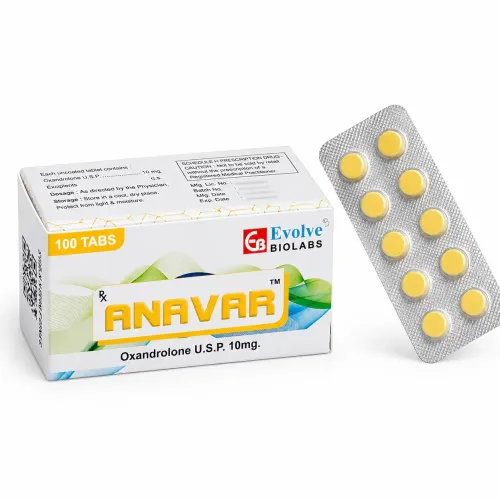
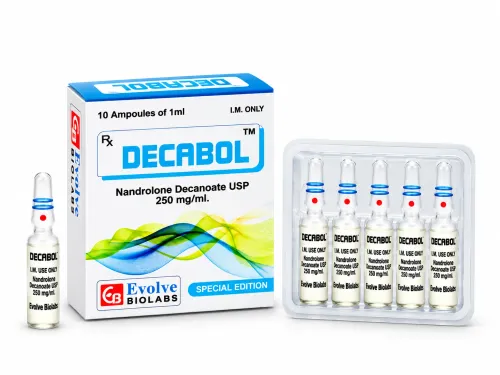
Anabolic-androgenic steroids are substances related to testosterone.
They have some specific medical uses, but they are also misused for muscle growth and physical performance.
Using anabolic steroids without medical supervision can affect the heart, liver, hormone balance and reproductive health.
Although both groups contain the word steroid, their purposes and effects are different.
Why Do Doctors Prescribe Steroid Medicines?
Here are some situations where these medicines may be considered.
1. Breathing Problems and Asthma
Imagine someone who frequently experiences wheezing, coughing or tightness in the chest because of asthma. Inflammation inside the airways is an important part of this condition. A prescribed inhaled corticosteroid can help reduce airway inflammation over time, making symptoms and flare-ups less frequent.
2. Skin Allergies and Eczema
Itchy, inflamed skin can make everyday activities uncomfortable. People with eczema may experience dry patches, redness and repeated flare-ups. Doctors sometimes prescribe topical steroid creams or ointments to control inflammation. However, the strength of the medicine matters. A cream suitable for thick skin on the hands may not be appropriate for delicate facial skin.
3. Joint Inflammation
Certain types of arthritis cause joint swelling, stiffness and pain. Corticosteroids may sometimes be used to control inflammation, particularly during disease flare-ups. Treatment depends on the underlying condition, and steroids are not always the preferred long-term option. Steroid Medicines Wholesale Supplier
4. Autoimmune Conditions
In autoimmune diseases, the immune system mistakenly attacks healthy tissues. Some conditions, including lupus and certain inflammatory disorders, may require corticosteroid treatment to control excessive immune activity.
5. Serious Medical Conditions
Corticosteroids are also used in selected hospital situations, including certain severe inflammatory conditions and adrenal insufficiency. In adrenal insufficiency, steroid replacement may be essential because the body cannot produce enough cortisol.
What Side Effects Can Steroid Medicines Cause?
Side effects are among the biggest concerns people have about steroids.
Not everyone experiences them, and the risks vary considerably between different medicines.
A person using a mild steroid cream for a few days will generally have a different risk profile from someone taking high-dose steroid tablets for several months. Possible side effects of systemic corticosteroids include increased appetite, sleep problems, mood changes, fluid retention and higher blood sugar. Some people may also notice acne or changes in their skin.
Can Steroids Cause Weight Gain?
Yes, particularly with some oral or injectable corticosteroids.
They may increase appetite and cause the body to retain fluid.
However, weight gain is not inevitable. The dose, duration and individual response all make a difference.
Can Steroids Increase Blood Sugar?
Yes. Corticosteroids can make it harder for the body to control blood glucose.
This is particularly important for people who already have diabetes.
Doctors may recommend closer blood sugar monitoring during treatment.
Can Steroids Affect Sleep?
Some people experience difficulty sleeping, restlessness or mood changes while taking systemic corticosteroids.
If these symptoms become troublesome, the prescribing doctor should be informed.
What Happens With Long-Term Steroid Use?
Some medical conditions require corticosteroid treatment for weeks or months.
Although this may be necessary, prolonged systemic use can increase the likelihood of complications.
These may include weaker bones, increased infection risk, high blood sugar, cataracts, raised eye pressure and suppression of the body's natural cortisol production.
For this reason, doctors often aim to use the lowest effective dose for an appropriate duration.
Patients receiving long-term treatment may need follow-up appointments and monitoring based on their individual risks.
Can Steroid Creams Damage Facial Skin?
This is an important concern, especially when people use medicated creams without checking their ingredients.
A person may apply a steroid-containing cream to the face hoping to reduce redness, pimples or dark spots.
The skin might initially appear less inflamed, but repeated inappropriate use can create new problems.
Potent steroid creams may cause skin thinning, acne-like breakouts, visible blood vessels or steroid-related rosacea.
They can also worsen certain skin infections.
Who Needs Extra Care While Taking Steroids?
Certain health conditions make additional precautions particularly important.
People with diabetes, high blood pressure, osteoporosis, glaucoma or active infections should inform their doctor before starting treatment.
Pregnant or breastfeeding patients should also discuss the benefits and risks of their prescribed medicine.Steroid Medicines Bulk Supplier India
Doctors consider the medical condition, available alternatives and the patient's individual circumstances before recommending treatment.
Practical Tips for Safer Steroid Medicine Use
A few everyday precautions can help patients avoid common mistakes.
- Take or apply the medicine exactly as prescribed.
- Do not increase the dose because symptoms have not improved immediately.
- Avoid using someone else's prescription medicine.
- Check whether a skin cream contains a corticosteroid before applying it to the face.
- Attend follow-up appointments during prolonged treatment.
- Inform your doctor about other medicines and existing health conditions.
- Do not abruptly stop long-term systemic corticosteroid treatment without medical advice.Steroid Medicine Wholesale Distributor Steroid Tablet Wholesale Supplier
Frequently Asked Questions
1. What are steroid medicines mainly used for?
Corticosteroid medicines are commonly used to manage inflammation, asthma, eczema, certain autoimmune diseases and other conditions requiring specialist treatment. Corticosteroid Injection Supplier.
2. Are steroid medicines harmful to the body?
They can cause side effects, especially with high doses or prolonged use. However, they may provide important medical benefits when prescribed appropriately. Bulk Steroid Medicines for Pharmacies.
3. Do steroid medicines cause pimples?
Some corticosteroids can cause or worsen acne-like breakouts, particularly when systemic steroids or potent topical steroids are used.
4. Can steroid tablets increase body weight?
Yes. Some steroid tablets may increase appetite and fluid retention, contributing to weight gain.
5. Are steroid injections stronger than tablets?
Not necessarily. Their effects depend on the medicine, dose, route and condition being treated.
6. Can I use steroid cream on my face?
Only when it is appropriate for the diagnosed condition and recommended by a healthcare professional. Potent steroids can damage facial skin if used incorrectly.
7. How long can someone take steroid medicines?
Treatment duration varies. Some conditions require only a short course, while others need longer treatment with monitoring.
8. Can I stop taking steroids when I feel better?
Do not change or stop a prescribed systemic steroid regimen without following your doctor's advice, especially after prolonged treatment.
Keywords