

Description
Product details
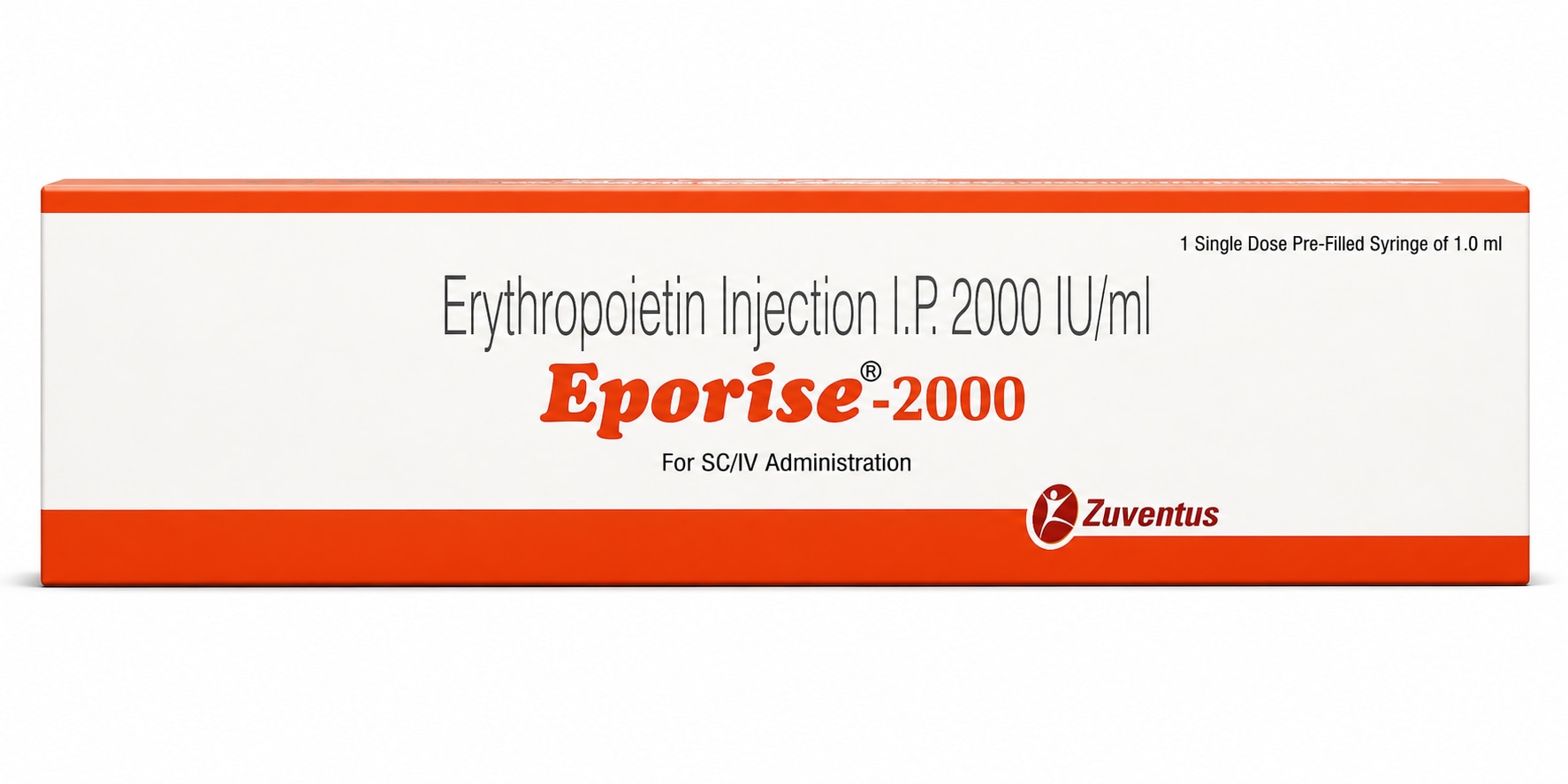
Eporise 2000 Injection is an erythropoietin-based medicine used for the management of certain types of anaemia associated with chronic kidney disease (CKD) and cancer chemotherapy. It contains Erythropoietin Injection I.P. 2000 IU/ml, which supports the production of red blood cells by stimulating the bone marrow. The medicine may be administered subcutaneously (under the skin) or intravenously (into a vein) as determined by the treating healthcare professional. The dosage and treatment schedule depend on factors such as the patient's condition, body weight, haemoglobin level and response to therapy. Iron status may also be assessed during treatment, as adequate iron availability is important for effective red blood cell production. Eporise 2000 Injection should be used strictly under medical supervision and should not be self-administered unless specifically instructed and trained by a healthcare professional. Therapeutic Uses 1. Anaemia Associated with Chronic Kidney Disease Chronic kidney disease can reduce the body's natural production of erythropoietin, a hormone involved in red blood cell formation. Reduced erythropoietin levels may contribute to renal anaemia, causing symptoms such as weakness, tiredness and reduced exercise tolerance. Eporise 2000 Injection acts as an erythropoiesis-stimulating therapy, helping the bone marrow produce additional red blood cells. It may be prescribed for appropriate CKD patients, including some patients undergoing dialysis, according to their clinical requirements. 2. Chemotherapy-Induced Anaemia Certain chemotherapy treatments can suppress bone marrow activity and lower red blood cell levels. Eporise 2000 may be prescribed in selected patients with chemotherapy-associated anaemia to stimulate red blood cell production and support haemoglobin management. Treatment decisions are based on the patient's haemoglobin level, type of chemotherapy, overall medical condition and assessment by the treating specialist. 3. Anaemia Associated with Certain HIV Treatments Erythropoietin therapy may also be used in selected patients who develop anaemia while receiving certain medicines for HIV. Its use in such cases should be determined by a qualified healthcare professional after evaluating the cause and severity of anaemia. How Eporise 2000 Works Eporise contains erythropoietin, which acts on erythroid precursor cells in the bone marrow and promotes their development into mature red blood cells. Increasing red blood cell production can help improve haemoglobin levels in appropriately selected patients. Administration Eporise 2000 Injection may be administered through: Subcutaneous (SC) injection Intravenous (IV) injection The dose, route, frequency and duration should be determined by the treating doctor. Regular monitoring of haemoglobin and other relevant blood parameters may be required during therapy. Do not self-administer this prescription injection unless specifically instructed by a healthcare professional. Possible Side Effects Some patients may experience: High blood pressure (hypertension) Nausea Vomiting Fever Headache Dizziness Tiredness Flu-like symptoms Muscle or body aches Injection-site reactions More serious reactions, including seizures or blood-clot-related complications, require prompt medical assessment. Patients should contact their healthcare professional if unusual or persistent symptoms occur. Storage & Handling Eporise 2000 Injection should be stored according to the conditions stated on the product label and prescribing information. Appropriate refrigerated storage and handling may be required. Do not use the product if the packaging is damaged or if storage requirements have not been maintained. Important Safety Information Eporise 2000 is a prescription medicine and should be used under qualified medical supervision. Haemoglobin levels, blood pressure and other relevant clinical parameters may need regular monitoring during treatment. The treating physician should determine whether iron supplementation or other supportive therapy is required.