

Description
Product details
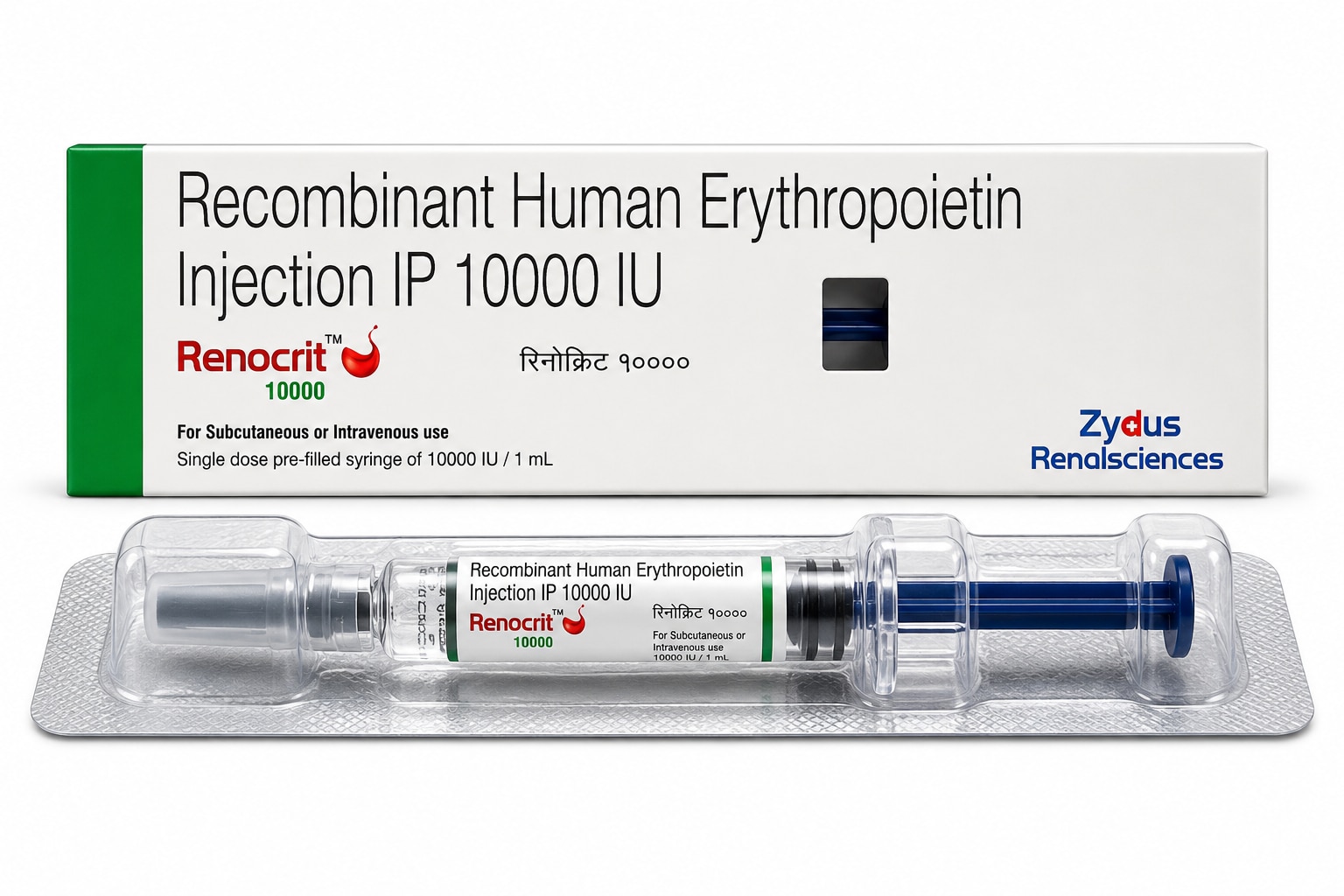
Renocrit PFS 10000 IU Injection contains Recombinant Human Erythropoietin 10000 IU, an erythropoiesis-stimulating medicine used for the management of certain types of anemia associated with chronic kidney disease (CKD) and chemotherapy-induced anemia. It supports red blood cell formation by stimulating the bone marrow, helping improve hemoglobin levels when erythropoietin production or red blood cell production is inadequate. Renocrit 10000 IU is supplied as a single-dose pre-filled syringe (PFS) and is intended for subcutaneous or intravenous administration under medical supervision. The dose, treatment frequency, route of administration, and target hemoglobin level should be determined by a qualified healthcare professional based on the patient's clinical condition and laboratory results. Key Uses & Benefits Helps manage anemia due to chronic kidney disease Used in selected patients with chemotherapy-induced anemia Stimulates erythropoiesis (red blood cell production) in the bone marrow May help improve symptoms related to anemia, such as weakness and fatigue Convenient 10000 IU pre-filled syringe presentation Suitable for SC or IV administration as prescribed How Renocrit 10000 IU Works Erythropoietin is a naturally occurring hormone involved in controlling red blood cell production. Recombinant human erythropoietin injection acts similarly to endogenous erythropoietin by stimulating erythroid cells in the bone marrow, thereby increasing red blood cell production. Hemoglobin response should be monitored during therapy. Administration Renocrit PFS 10000 IU should be administered only according to a healthcare professional's instructions. Do not self-administer unless specifically trained and instructed by your healthcare provider. Regular monitoring of hemoglobin and blood pressure may be required during treatment. Possible Side Effects Possible adverse effects associated with erythropoietin therapy can include increased blood pressure, headache, nausea, fever, flu-like symptoms, injection-site reactions, and body aches. Serious complications, including thromboembolic events or seizures, require immediate medical attention. Important Precautions Patients should inform their doctor about uncontrolled hypertension, cardiovascular disease, previous blood clots, seizures, kidney-related conditions, pregnancy or breastfeeding, and all medicines currently being used. Treatment requires appropriate clinical and laboratory monitoring.