

Description
Product details
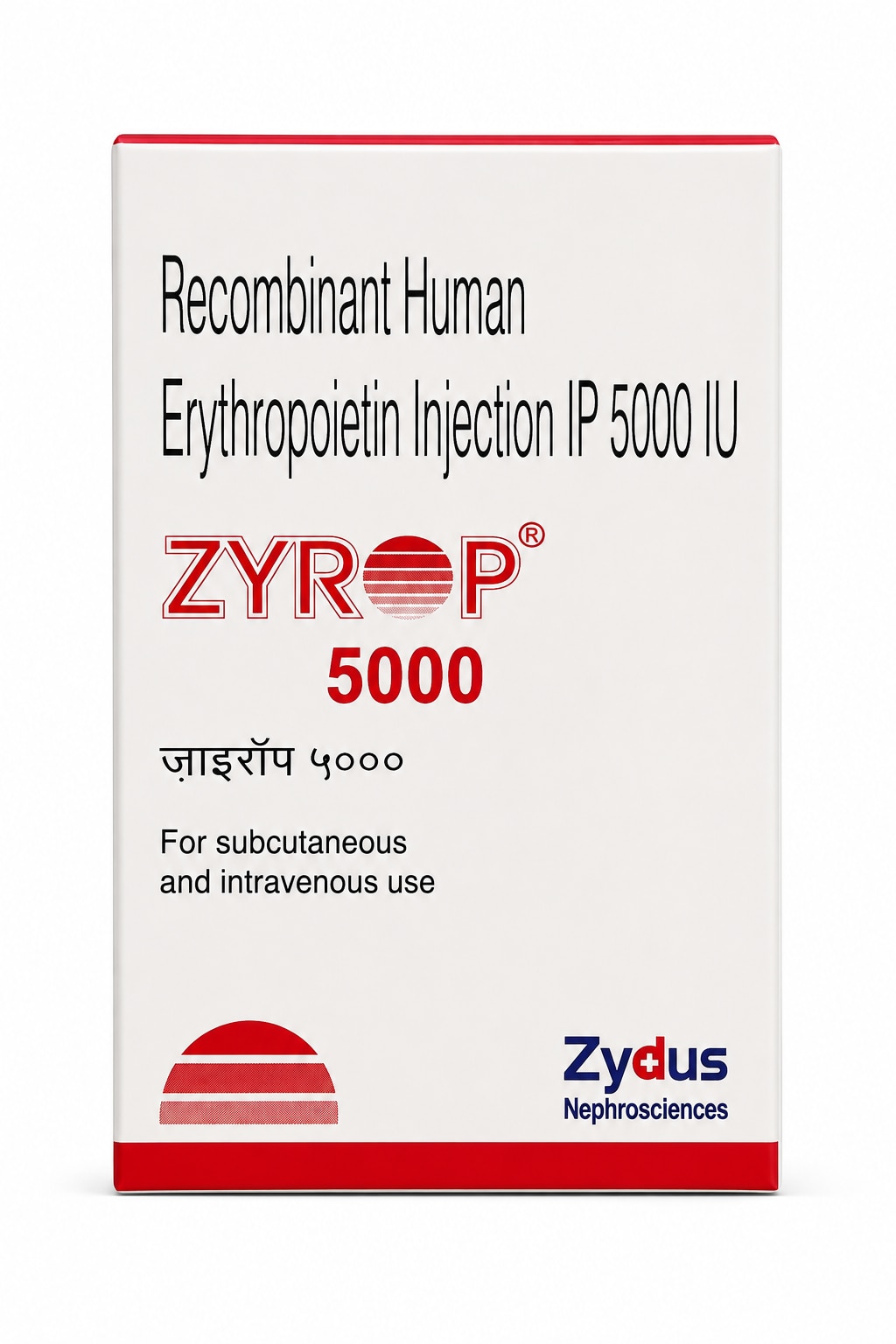
Zyrop 5000 Injection contains Recombinant Human Erythropoietin 5000 IU, an erythropoiesis-stimulating agent (ESA) used for the management of certain types of anaemia. It supports the body's red blood cell production by stimulating erythroid cells within the bone marrow. Zyrop 5000 may be prescribed for patients with anaemia associated with chronic kidney disease (CKD), including selected dialysis patients, and for suitable patients who develop anaemia during cancer chemotherapy. Erythropoietin therapy may also be considered in certain cases of treatment-associated anaemia in people receiving specific HIV medicines. The product is intended for subcutaneous (SC) or intravenous (IV) administration, as clearly indicated on the pack. Treatment should be initiated and monitored by a qualified healthcare professional. How Zyrop 5000 Works The kidneys normally produce erythropoietin, a natural hormone that signals the bone marrow to form red blood cells. Certain medical conditions or treatments can reduce this process and contribute to low haemoglobin levels. Recombinant human erythropoietin 5000 IU mimics the activity of natural erythropoietin and promotes red blood cell formation. The patient's haemoglobin response, iron status and overall clinical condition are generally considered during treatment. Key Therapeutic Uses Chronic Kidney Disease–Associated Anaemia Reduced erythropoietin production is one of the factors contributing to renal anaemia in CKD patients. Zyrop 5000 may be prescribed to support red blood cell production and haemoglobin management in appropriate patients with chronic kidney disease, including some patients receiving dialysis. Chemotherapy-Induced Anaemia Some anticancer medicines suppress bone marrow activity, which can result in reduced red blood cell production. Zyrop 5000 for chemotherapy-associated anaemia may be considered as supportive treatment in selected cancer patients when clinically appropriate. Treatment decisions should consider the patient's haemoglobin level, chemotherapy regimen, treatment objective and individual risk factors. Anaemia Associated with Certain HIV Treatments Erythropoietin therapy can also have a role in selected cases of anaemia associated with certain HIV treatment regimens. The underlying cause of low haemoglobin should be medically evaluated before starting therapy. Administration Zyrop 5000 can be administered through: Subcutaneous (SC) injection Intravenous (IV) injection The dose and frequency are individualized according to the patient's body weight, haemoglobin level, underlying cause of anaemia and response to therapy. Zyrop 5000 should be administered only as directed by a healthcare professional. Monitoring During Treatment Regular clinical monitoring is important during erythropoietin treatment. Healthcare professionals may monitor haemoglobin levels, blood pressure, iron status and other relevant blood parameters. Patients should inform their doctor about existing hypertension, cardiovascular conditions, previous blood clots and all medicines or supplements being used. Possible Side Effects Possible adverse effects associated with erythropoietin therapy can include: Increased blood pressure Headache Nausea or vomiting Fever Dizziness Fatigue Body or muscle aches Flu-like symptoms Injection-site reactions Serious complications such as seizures, severe hypertension, allergic reactions or thromboembolic events (blood clots) require immediate medical assessment.