Know About Heart Attack:
A heart attack occurs when blood flow to a part of the heart muscle becomes blocked, usually due to plaque buildup and a blood clot in a coronary artery. This reduces the supply of oxygen-rich blood and can damage the heart muscle. Common warning signs include chest pain or pressure, shortness of breath, sweating, nausea and discomfort in the arms, back or jaw. Early recognition and immediate medical treatment are essential to reduce heart damage and improve survival.
How Adrenaline Injection Helps During Cardiac Emergencies
A cardiac emergency can develop within seconds, leaving very little time for medical intervention. When the heart suddenly stops pumping blood effectively, oxygen delivery to the brain and other vital organs is interrupted. Immediate recognition, cardiopulmonary resuscitation (CPR) and specialised emergency care become essential.
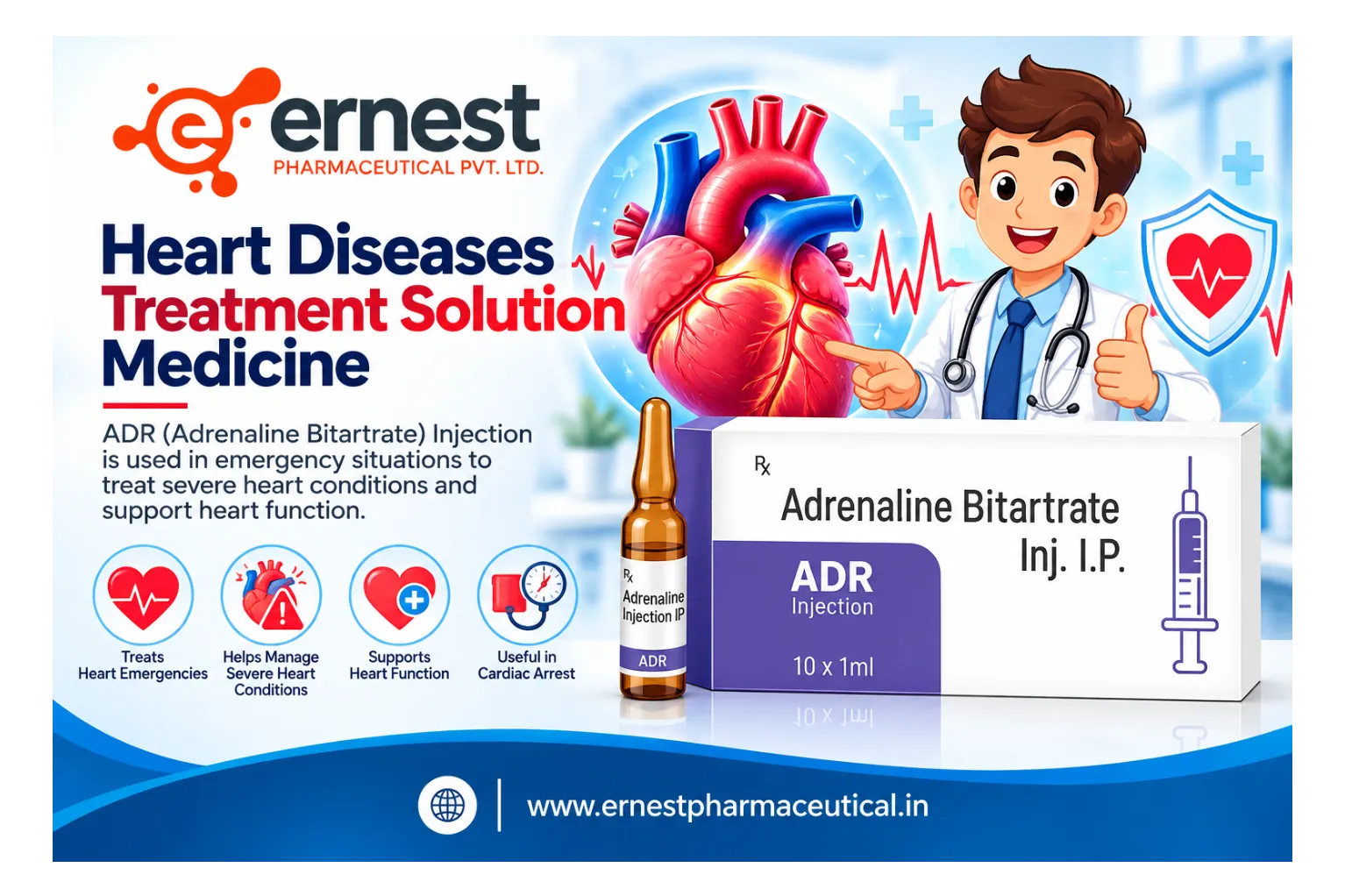
Adrenaline Injection in Cardiac Emergency care has an important role during advanced resuscitation. Adrenaline, also known as epinephrine, is a medicine that acts on receptors in the heart and blood vessels.
A heart attack occurs when the heart suddenly stops functioning correctly.
A cardiac arrest is when the heart suddenly stops pumping blood properly.
A person expriencing cardiac arrest may suddenly collapse, become unresponsive and stop breathing normally. Gasping is not normal breathing and might be present during cardiac arrest. Without immediate intervention, the brain and other organs are deprived of oxygen-rich blood. Cardiac arrest is different from a heart attack. A heart attack usually happens when there is a blockage of blood flow to a section of the heart muscle. A heart attack can lead to cardiac arrest sometimes, but they are not the same.
The Role of Adrenaline Alongside CPR and Defibrillation:
Adrenaline is one component of a larger emergency treatment process.
During advanced cardiac life support, healthcare professionals assess the heart rhythm, continue high-quality CPR and determine whether defibrillation is required.
The timing of adrenaline administration depends on the cardiac arrest rhythm and the applicable resuscitation protocol.
For example, rhythms such as ventricular fibrillation may require electrical defibrillation, while other rhythms are not treated with shocks.
Is Adrenaline Used for Other Medical Emergencies?
Yes. Adrenaline has an important role in the emergency treatment of anaphylaxis, a severe allergic reaction that can cause breathing difficulties and circulatory collapse.
However, the route of administration differs between emergencies.
Intramuscular adrenaline is the first-line medicine for anaphylaxis, while cardiac arrest protocols use intravenous or intraosseous administration by trained professionals.
What Are the Risks of Adrenaline Injection?
Adrenaline is a powerful medicine that can affect the heart, blood pressure and circulation.Side effects may include rapid heartbeat, palpitations, high blood pressure, shaking and irregular heart beats. Inappropriate administration or concentration errors can cause serious complications. During cardiac arrest, clinicians weigh these risks against the immediate life-threatening condition. In other situations, the indication and route of administration must be carefully assessed.
Can Heart Damage From High Blood Pressure Be Prevented?
Many hypertension-related complications can be prevented or their risk reduced through early diagnosis and appropriate management.
Regular blood-pressure checks help identify problems before serious complications develop.
Lifestyle adjustments, proper medication and regular checkups can improve blood pressure control.
Some changes in heart structure may improve with treatment, but established damage is not always fully reversible.
Frequently Asked Questions
1. How does high blood pressure affect the heart?
High blood pressure makes the heart work harder to pump blood. Over time, it may cause heart muscle thickening, blood-vessel damage and an increased risk of heart disease.
2. Can high blood pressure cause a heart attack?
Yes. Uncontrolled hypertension can contribute to artery damage and atherosclerosis, increasing the risk of coronary artery blockage and heart attack.
3. Does high blood pressure always cause chest pain?
No. Most people with hypertension have no symptoms. Lifestyle adjustments, proper medication and regular checkups can improve blood pressure control.
4. Can young adults develop hypertension-related heart problems?
Yes. Persistent high blood pressure can affect adults of different ages, particularly when additional risk factors are present.
5. Is Adenosine Injection used to lower blood pressure?
No. Adenosine Injection is used mostly in a monitored medical setting to treat some fast heart rhythms, including PSVT . It is not a routine antihypertensive medicine.
6. Which tests show the damage to the heart caused by hypertension?
Depending on the patient's condition, doctors may utilise ECG, echocardiography, blood tests and other procedures.
7. Can regular exercise help control blood pressure?
Yes. Appropriate regular physical activity can help lower blood pressure and improve cardiovascular health.
Keywords