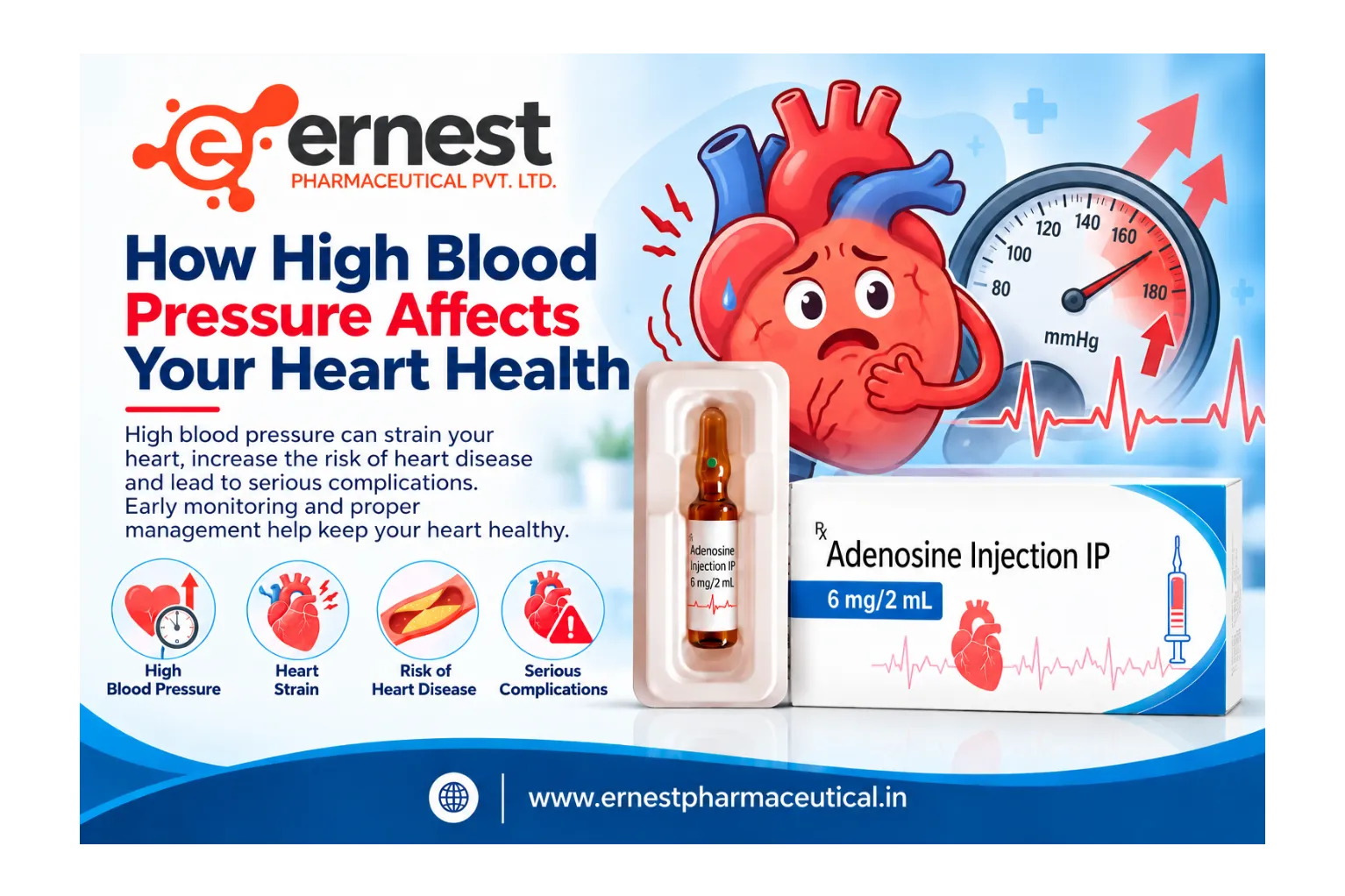
How High Blood Pressure Can Damage Your Heart Over Time
High blood pressure, also known as hypertension, develops when blood pushes against artery walls with consistently elevated force.
Your heart works continuously, pumping blood through a network of arteries that supply oxygen and nutrients to the body. Most people rarely think about the pressure involved in this process until a routine health check reveals an unusually high reading.
The Hidden Workload: What Your Heart Experiences During Hypertension
The heart must work harder to pump blood through the circulatory system. When this continues for a long time, the heart muscle may become thicker, particularly in the left ventricle.
Although the heart initially adapts to the increased workload, prolonged strain can eventually affect its ability to relax and pump efficiently.
Four Ways High Blood Pressure Can Affect the Heart
1. Increased Strain on the Heart Muscle
When blood pressure remains elevated, the heart must generate additional force to move blood through the arteries.
2. Damage to Artery Walls
Persistent high pressure can injure the inner lining of blood vessels.This may encourage the development of atherosclerosis, a process in which fatty deposits accumulate within artery walls.
3. Greater Risk of Coronary Artery Disease
As plaque builds up in coronary arteries, blood flow to the heart muscle may become restricted. Reduced oxygen supply can cause chest discomfort known as angina. If a coronary artery becomes suddenly blocked, a heart attack may occur.
4. Increased Risk of Heart Failure
Long-term hypertension can cause the heart muscle to become thicker, stiffer or weaker. Eventually, the heart may struggle to pump or fill with blood effectively, contributing to heart failure. These complications do not occur in everyone with hypertension, but maintaining appropriate blood-pressure control helps reduce the risk.
Can High Blood Pressure Cause Symptoms?
One of the most important facts about hypertension is that it usually causes no noticeable symptoms. Many people discover elevated blood pressure during a medical examination or routine screening. Headaches, dizziness and tiredness can occur for many reasons and should not be used alone to diagnose hypertension.
Understanding Blood Pressure Numbers
Measurement :
- Systolic
- Diastolic Pressure
Meaning :
- PressurePressure when the heart contracts and pumps blood
- Pressure when the heart relaxes between beats
A reading such as 120/80 mmHg represents systolic pressure followed by diastolic pressure.The threshold used to diagnose hypertension can vary between clinical guidelines and settings. Doctors consider repeated readings, home measurements and individual health factors before confirming a diagnosis.
What Happens When Blood Pressure Remains Uncontrolled for Years?
Blood vessels may lose some of their normal flexibility, making circulation more difficult.The heart may undergo structural changes as it responds to the increased workload.At the same time, the kidneys, brain and eyes may also be affected by damage to small blood vessels.This is why hypertension management is about protecting overall health rather than simply lowering a number on a monitor.
How Doctors Assess the Effects of Hypertension
These can include:
- Repeated clinic or home blood-pressure measurements
- Kidney function and electrolyte blood tests
- Blood glucose and cholesterol tests
- Electrocardiogram (ECG)
- Echocardiogram when clinically indicated
Practical Habits That Support Heart Health
Daily routines can make a meaningful difference in long-term blood-pressure management.
Reduce Excess Salt: Salt is an important dietary consideration because high sodium intake can contribute to elevated blood pressure. In Indian diets, significant sodium may come from packaged snacks, pickles, papad, instant foods and heavily salted meals.
Stay Physically Active: Regular walking and other suitable physical activities can support cardiovascular fitness and blood-pressure control. People with existing heart conditions should discuss appropriate activity levels with their doctor.
Maintain a Balanced Diet: Vegetables, fruits, whole grains, pulses and other nutrient-rich foods can support a heart-healthy eating pattern.
Avoid Tobacco and Limit Alcohol: Smoking damages blood vessels and increases cardiovascular risk. Excessive alcohol consumption can also contribute to high blood pressure.
When High Blood Pressure Becomes an Emergency
A blood-pressure reading above 180 systolic or 120 diastolic mmHg requires immediate attention and repeat measurement.
If a very high reading is accompanied by chest pain, severe breathlessness, confusion, weakness, visual changes or other signs of organ damage, emergency medical care is needed.
New or severe chest pain should never be ignored, even when the blood-pressure reading is not extremely high.
Final Thoughts:
High blood pressure can place additional strain on the heart, damage blood vessels and increase the risk of coronary artery disease, heart attack and heart failure.
Because hypertension often develops without obvious symptoms, regular monitoring is essential.
Understanding the difference between blood-pressure disorders and abnormal heart rhythms is also important. Medicines such as adenosine have specialised uses in emergency cardiac care and should not be confused with routine hypertension treatment.
Frequently Asked Questions
1. How does high blood pressure affect the heart?
High blood pressure makes the heart work harder to pump blood. Over time, it may cause heart muscle thickening, blood-vessel damage and an increased risk of heart disease.
2. Can high blood pressure cause a heart attack?
Yes. Uncontrolled hypertension can contribute to artery damage and atherosclerosis, increasing the risk of coronary artery blockage and heart attack.
3. Does high blood pressure always cause chest pain?
No. Most people with hypertension have no symptoms. Chest pain may indicate another serious cardiovascular problem and requires appropriate medical assessment.
4. Can young adults develop hypertension-related heart problems?
Yes. Persistent high blood pressure can affect adults of different ages, particularly when additional risk factors are present.
Keywords